

Why would we want to think about suicide?
Do you feel comfortable asking someone if they are thinking about suicide? Would you know how to respond if they said they were? Every year, Suicide Prevention Month is observed in September, serving as a vital time to increase awareness about suicide, provide resources, and open conversation about mental health.
According to the World Health Organization (WHO), more than 700,000 people die by suicide each year worldwide. The CDC states that approximately 49,000 persons died by suicide in the United States in 2022, and provisional data indicate a similar number for 2023. By raising awareness, we can create a culture where discussing mental health is normalized and people in crisis feel empowered to ask for help without fear of judgment.
Suicide is a public health issue that affects individuals, families, and communities globally. By dedicating time to understanding the complexities surrounding suicide, we can work together to prevent it. We can also take a moment to understand what resources there are available to you and all around you in Georgia for sure (see below). Everyone plays a crucial role in breaking down the stigma surrounding mental health and encouraging people to seek help.
The ripple effect of these losses touches millions more, leaving families, friends, and entire communities grappling with grief. Suicide is often linked to untreated mental health conditions such as depression, anxiety, and substance abuse. Despite the prevalence of these mental health concerns, suicide remains largely preventable with timely intervention and support. Having people to lean on in times of need is important.
Warning Signs of Suicide
Knowing the warning signs of suicide can save lives. While each person’s situation is unique, there are common indicators that may signal someone is considering suicide:

- Talking about feeling hopeless, worthless, or like a burden to others
- Picking up things they might say: Some examples: I won’t have to worry about this at x time; you won’t have to worry about me at x time; it will all be over soon; I want to end it all; [A group or person] would be better without me; etc!
- More explicit verbal cues: Expressing a desire to die or speaking about wanting to end their life
- Withdrawal from family, friends, or usual activities
- Increased substance abuse
- Mood or behavior change
- Giving away personal belongings or saying goodbye to loved ones in ways that feel final
These signs should be taken seriously, and during Suicide Prevention Month, we are reminded of the importance of staying vigilant and supporting those who may be at risk.
How to Help Someone in Crisis
If you notice that someone in your life is showing signs of suicidal thoughts, it’s essential to act with care and compassion. Talking openly about suicide won’t increase the risk; instead, it can provide relief to someone struggling. Here are steps you can take to help:

- Listen with empathy: Allow them to share their thoughts without interrupting or dismissing their feelings.
- Encourage them to seek professional help: Suggest resources such as therapy or helplines and offer assistance in finding help if they feel overwhelmed.
- Stay connected: Continue to check in with them regularly to show ongoing support. Isolation can worsen feelings of hopelessness.
- Remove their method from them if possible. If you feel compelled, talk to them about when they plan to do it. Both of those questions would of course be asked if you have already received a yes to the question “Are you thinking about suicide?”. Learn the details so that you can alert first responders to respond if/when necessary.
- Know when to call for emergency help: If someone is in immediate danger, don’t hesitate to contact emergency services or a suicide prevention hotline (988!).
Increased awareness of the mental health issues that lead to suicide—such as depression, anxiety, trauma, and addiction—helps create a safer environment for those struggling. This month is an opportunity for us to reflect on how we can each contribute to a more compassionate, understanding society.
Suicide Prevention Resources
Crucially, one of the most critical parts of suicide prevention is connecting individuals to the right resources. Here are a few key resources that offer immediate help:
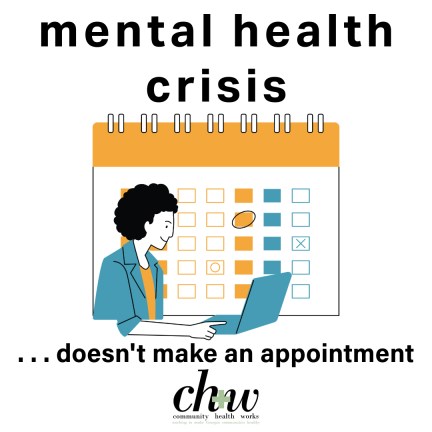
- National Suicide Prevention Lifeline (U.S.): Call or text 988 for 24/7 support from trained crisis counselors. Press 1 for Veterans Crisis Support and 2 for Spanish speaking.
- Georgia Crisis and Access Line (GCAL): Call at 1-800-715-4225. GCAL is available 24 hours a day, 7 days a week and 365 days a year to help you or someone you care for in a crisis.
- Crisis Text Line: Text HOME to 741741 to speak with a trained counselor.
- National Maternal Mental Health Hotline for new and expectant mothers. Call 1-833-TLC-MAMA (1-833-852-6262) for help navigating mental health issues like postpartum depression and anxiety before, during, or after pregnancy. A Proclamation on World Suicide Prevention Day, 2024 | The White House
- In crisis situation, please always dial 911.
Additionally, organizations like the American Foundation for Suicide Prevention (AFSP), the National Institute of Mental Health, Nami or SAMHSA are some great online resources for more information.
Please comment if you know an important we one we missed that is servicing Georgia residents!
Another key aspect of Suicide Prevention Month is sharing stories of hope and recovery. Hearing from survivors—those who have experienced suicidal thoughts and found healing—can be incredibly powerful. These personal narratives offer hope and remind those currently struggling that recovery is possible. Sharing stories can truly help others, that is, if you feel comfortable to do so. Your mental health matters too. For many, things like professional help, supportive and trusting relationships, and self-care practices, have in some combination played crucial roles in their journeys toward healing.
If you or someone you know is struggling, know that there is help and hope. You are never alone, and reaching out can be the first step toward healing.

Discover more from Community Health Works
Subscribe to get the latest posts sent to your email.
Your blog is a shining example of excellence in content creation. I’m continually impressed by the depth of your knowledge and the clarity of your writing. Thank you for all that you do.
Your expertise shines through in every paragraph. Thanks for sharing such well-researched content.